Vitex parviflora: taxon details and analytics
- Domain
- Kingdom
- Plantae
- Phylum
- Tracheophyta
- Class
- Magnoliopsida
- Order
- Lamiales
- Family
- Lamiaceae
- Genus
- Vitex
- Species
- Vitex parviflora
- Scientific Name
- Vitex parviflora
Summary description from Wikipedia:
Vitex parviflora
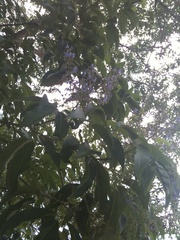
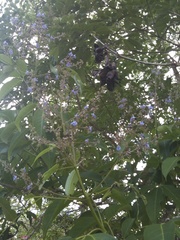
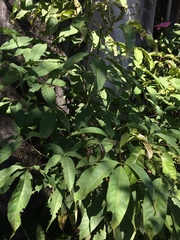
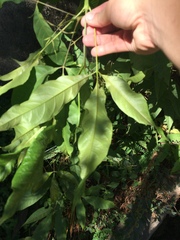
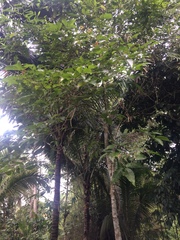
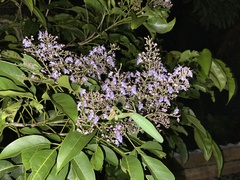
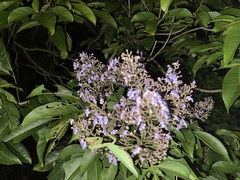
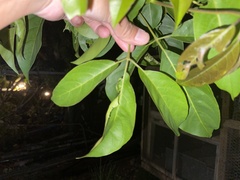
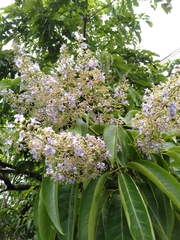
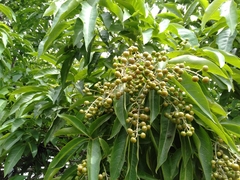
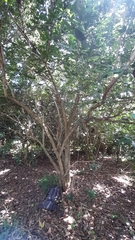
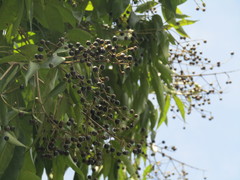
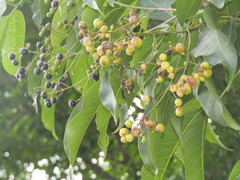
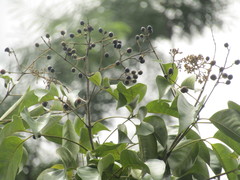
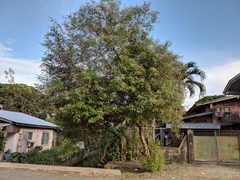
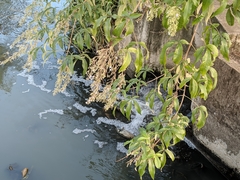
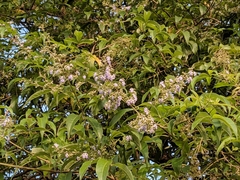
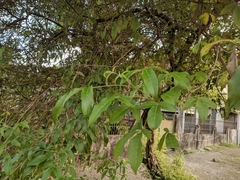
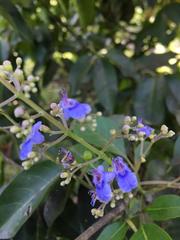
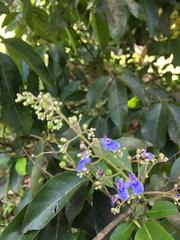
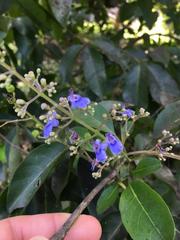
Vitex parviflora is a species of plant in the family Lamiaceae, also known as smallflower chastetree or the molave tree. The name "molave" is from Spanish, derived from mulawin, the Tagalog word for the tree. It is also known as tugas in Visayan languages. It is known as sagat in ilokano. It yields one of two woods from the same genus called molave wood, the other being Vitex cofassus.
It is a native species in Indonesia, Malaysia, and the Philippines. It can also be found in Central and South America, the Caribbean, Oceania, and Asia. It was reported to be an invasive species in Guam and Hawaii after it became naturalized in O'ahu and escaped from cultivation in Guam. In Cuba, it is also considered as a possibly invasive species due to naturalization.
It is valued in the Philippines for its dense durable wood and was once used extensively in furniture, boats, utensils, and as construction material. The wood is also known to resist decay and termites. It became a protected species in the Philippines and it is illegal to cut its tree under certain conditions. Before 2019, it was listed as critically endangered, threatened and vulnerable in the assessments recorded in the IUCN Red List. As of 2017, the Philippine Department of Environment and Natural Resources classified it as endangered due to overharvesting and habitat loss. Although in 2019, the species was reassessed and declared as least concern by IUCN.
...Vitex parviflora in languages:
- English
- smallflower chastetree
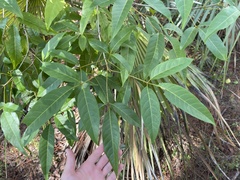
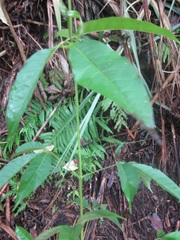
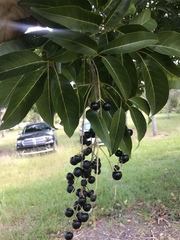
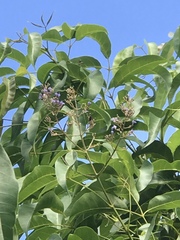
Images from inaturalist.org observations:
We recommend you sign up for this excellent, free service.
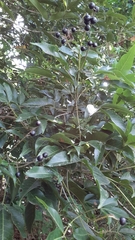
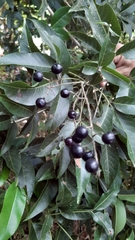
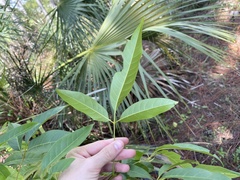
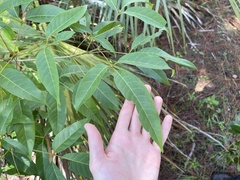
Parent Taxon
Sibling Taxa
- Vitex acuminata
- Vitex acunae
- Vitex agnus-castus
- Vitex altissima
- Vitex amaniensis
- Vitex angolensis
- Vitex aurea
- Vitex befotakensis
- Vitex beraviensis
- Vitex betsiliensis
- Vitex bicolor
- Vitex buchananii
- Vitex canescens
- Vitex capitata
- Vitex cauliflora
- Vitex chrysocarpa
- Vitex chrysomallum
- Vitex cofassus
- Vitex collina
- Vitex columbiensis
- Vitex compressa
- Vitex congolensis
- Vitex cooperi
- Vitex cymosa
- Vitex divaricata
- Vitex doniana
- Vitex elakelakensis
- Vitex ferruginea
- Vitex fischeri
- Vitex gamosepala
- Vitex gardneriana
- Vitex gaumeri
- Vitex gigantea
- Vitex glabrata
- Vitex grandidiana
- Vitex grandifolia
- Vitex guanahacabibensis
- Vitex harveyana
- Vitex hemsleyi
- Vitex heptaphylla
- Vitex hirsutissima
- Vitex humbertii
- Vitex iraquensis
- Vitex lanigera
- Vitex lastellei
- Vitex leucoxylon
- Vitex lignum-vitae
- Vitex limonifolia
- Vitex lindenii
- Vitex longisepala
- Vitex lowryi
- Vitex lucens
- Vitex madagascariensis
- Vitex madiensis
- Vitex martii
- Vitex masoalensis
- Vitex megapotamica
- Vitex melicopea
- Vitex mollis
- Vitex mombassae
- Vitex mossambicensis
- Vitex negundo
- Vitex novae-pommeraniae
- Vitex obovata
- Vitex orinocensis
- Vitex oscitans
- Vitex pachyclada
- Vitex panshiniana
- Vitex parviflora
- Vitex patula
- Vitex payos
- Vitex peduncularis
- Vitex perrieri
- Vitex pervillei
- Vitex petersiana
- Vitex phillyreifolia
- Vitex pinnata
- Vitex polygama
- Vitex pooara
- Vitex pseudolea
- Vitex pyramidata
- Vitex queenslandica
- Vitex quinata
- Vitex rehmannii
- Vitex rotundifolia
- Vitex rubra
- Vitex rubroaurantiaca
- Vitex rufescens
- Vitex sampsonii
- Vitex schaueriana
- Vitex schliebenii
- Vitex sellowiana
- Vitex stahelii
- Vitex stellata
- Vitex teloravina
- Vitex thyrsiflora
- Vitex trichantha
- Vitex triflora
- Vitex trifolia
- Vitex tripinnata
- Vitex tristis
- Vitex uniflora
- Vitex vestita
- Vitex vondrozensis
- Vitex waterlotii
- Vitex yaundensis
- Vitex zanzibarensis
- Vitex zeyheri