Physaria bellii: taxon details and analytics
- Domain
- Kingdom
- Plantae
- Phylum
- Tracheophyta
- Class
- Magnoliopsida
- Order
- Brassicales
- Family
- Brassicaceae
- Genus
- Physaria
- Species
- Physaria bellii
- Scientific Name
- Physaria bellii
Summary description from Wikipedia:
Physaria bellii
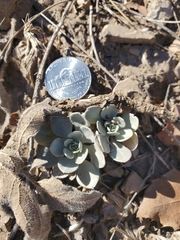
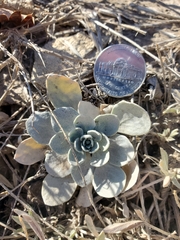
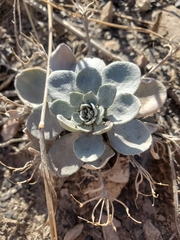
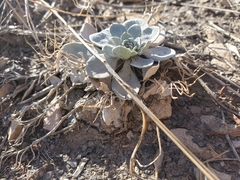
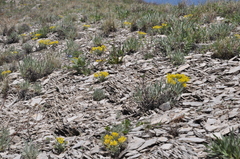
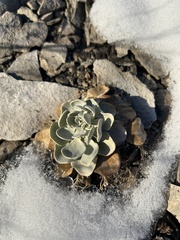
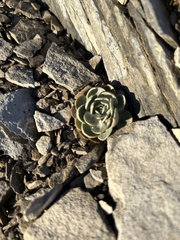
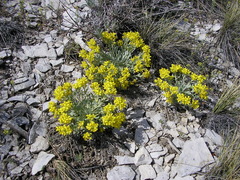
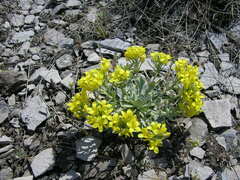
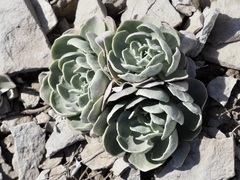
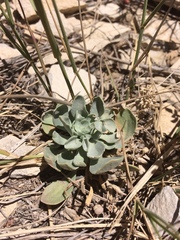
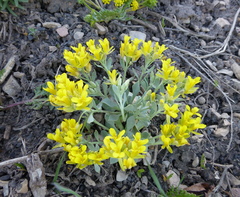
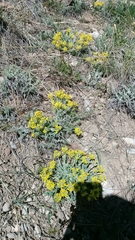
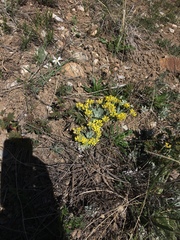
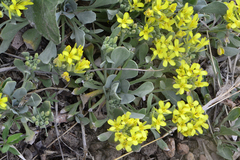
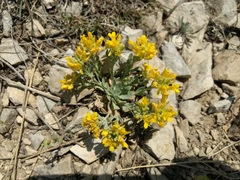
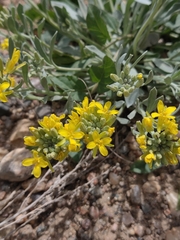
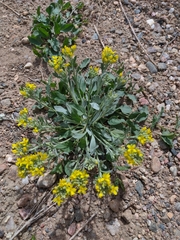
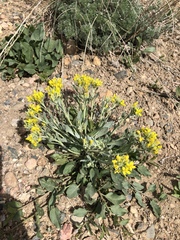
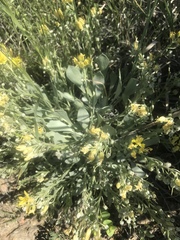
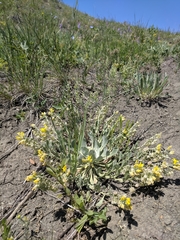
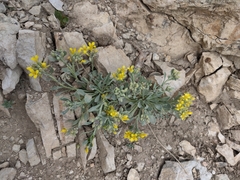
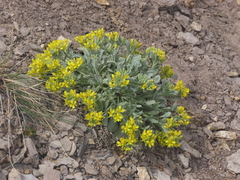
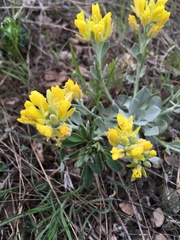
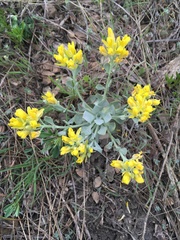
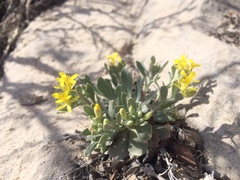
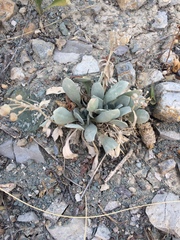
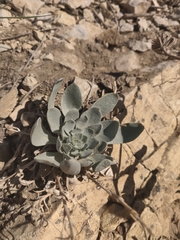
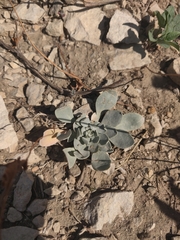
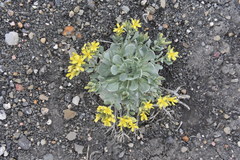
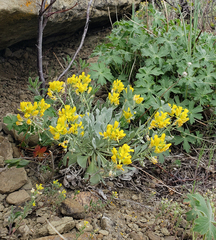
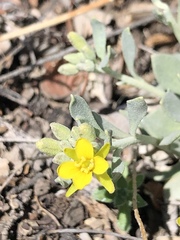
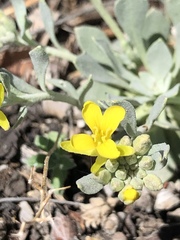
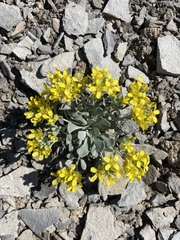
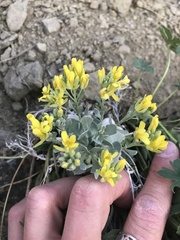
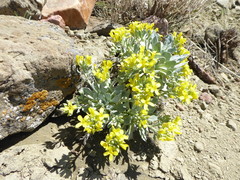
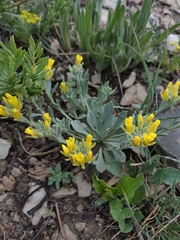
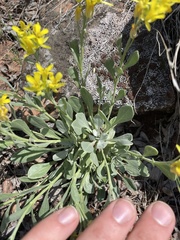
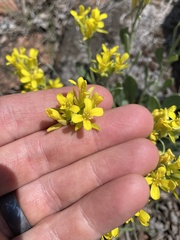
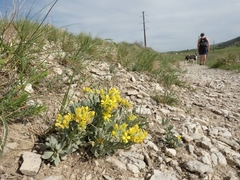
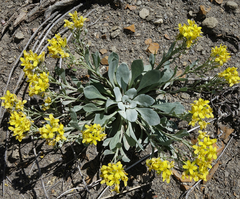
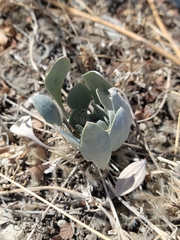
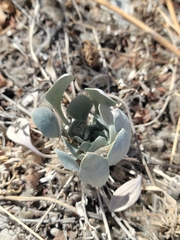
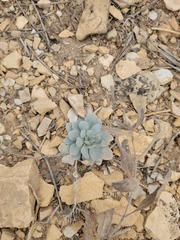
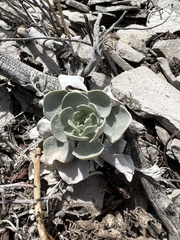
Physaria bellii is a species of flowering plant in the family Brassicaceae known by the common names Bell's twinpod and Front Range twinpod. It is endemic to Colorado in the United States.
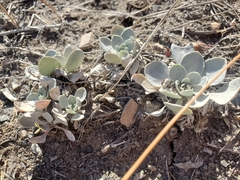
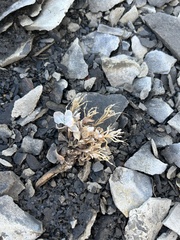
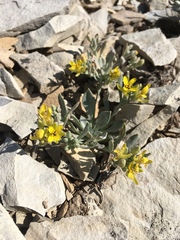
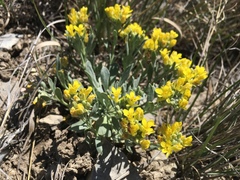
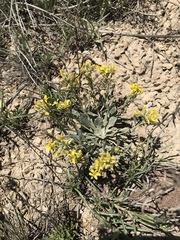
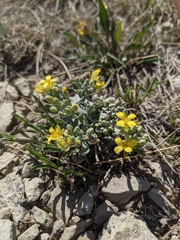
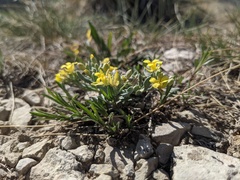
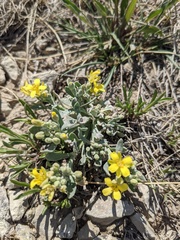
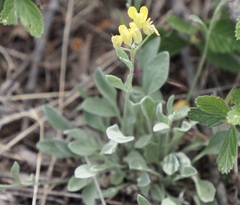
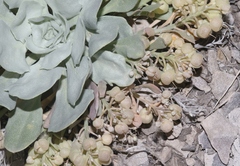
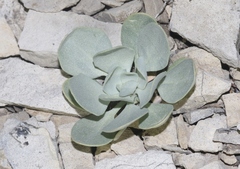
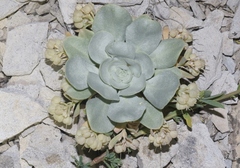
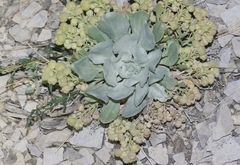
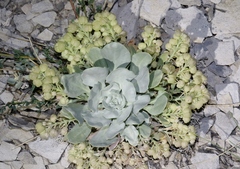
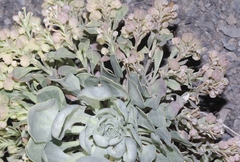
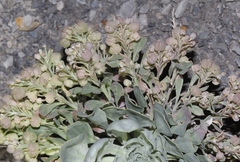
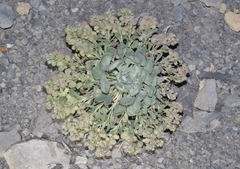
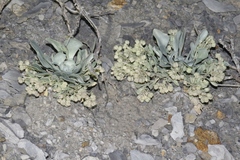
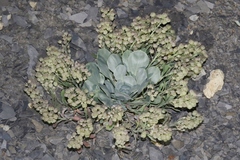
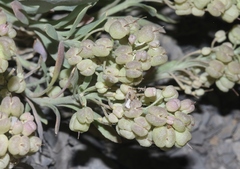
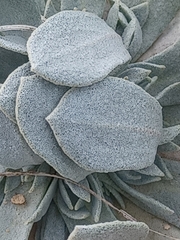
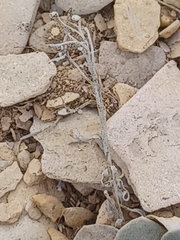
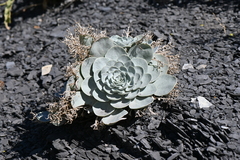
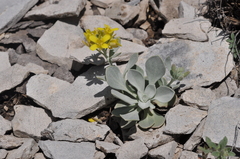
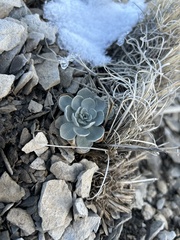
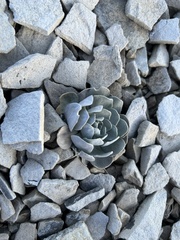
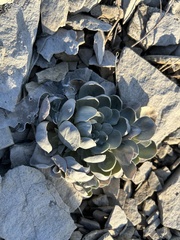
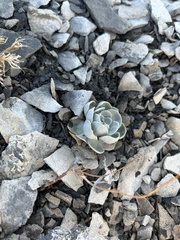
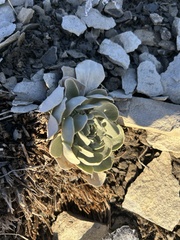
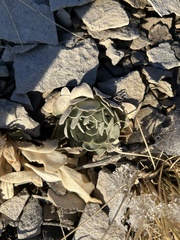
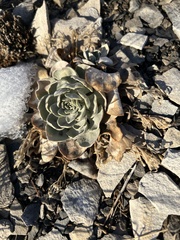
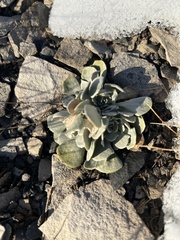
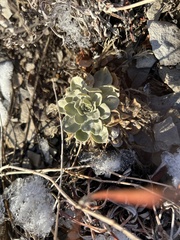
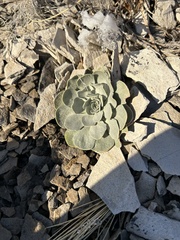
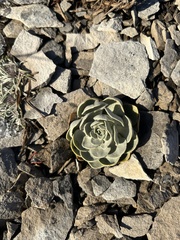
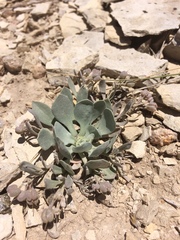
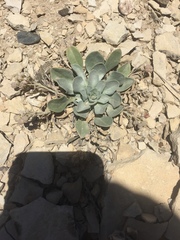
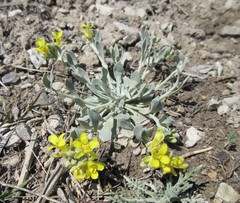
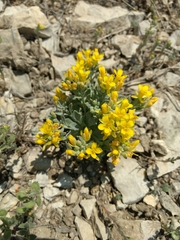
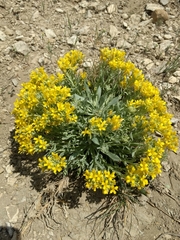
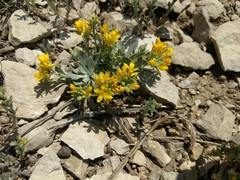
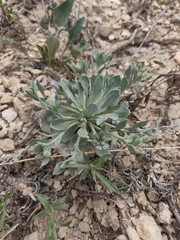
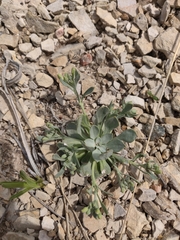
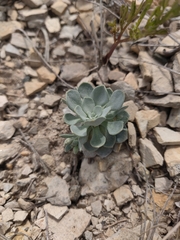
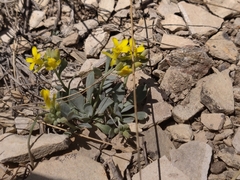
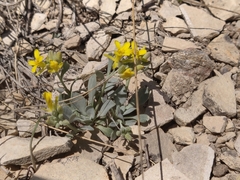
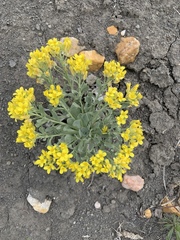
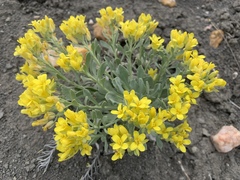
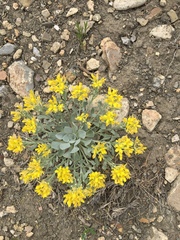
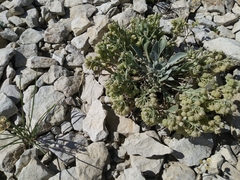
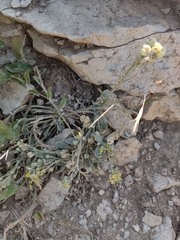
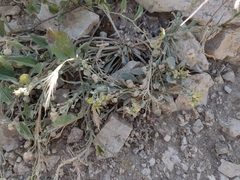
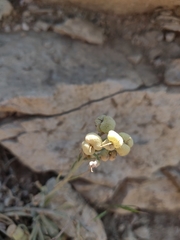
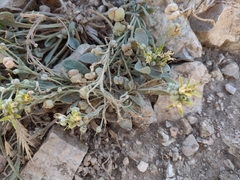
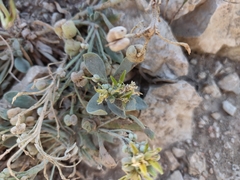
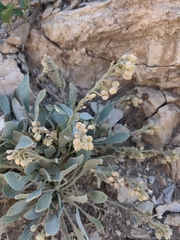
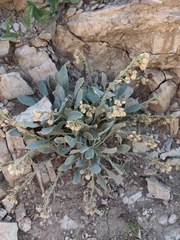
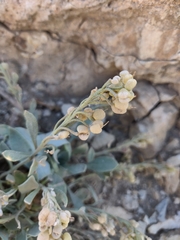
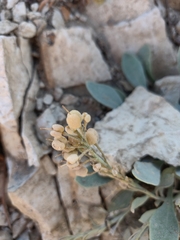
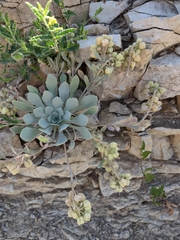
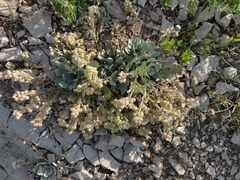
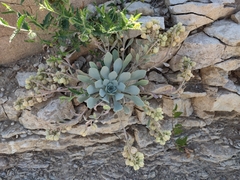
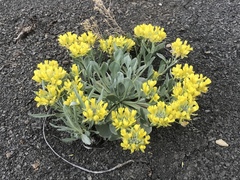
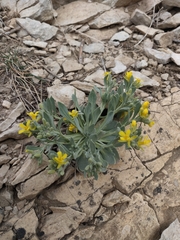
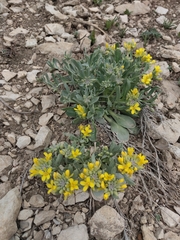
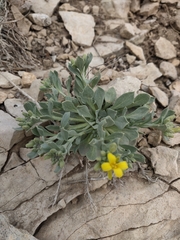
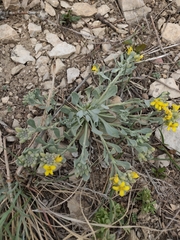
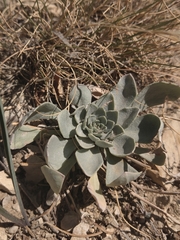
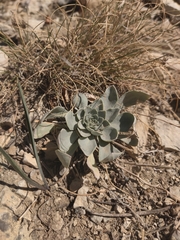
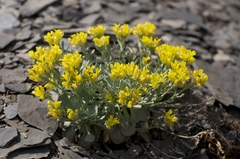
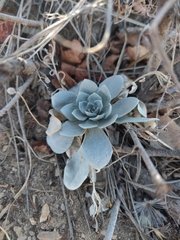
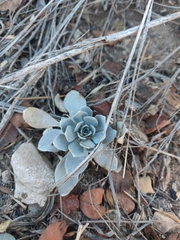
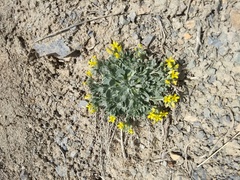
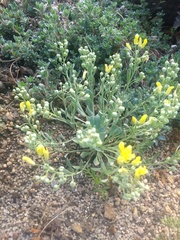
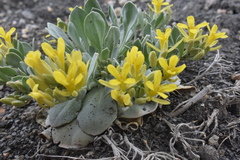
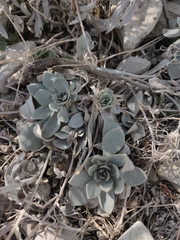
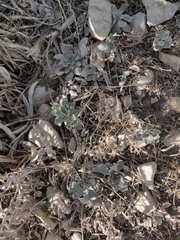
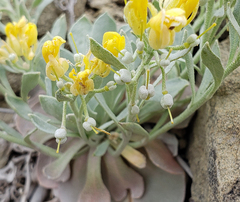
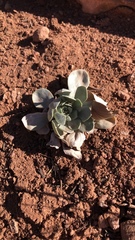
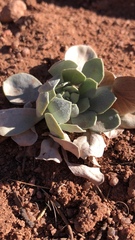
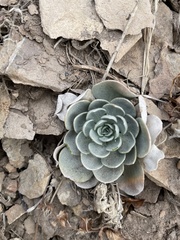
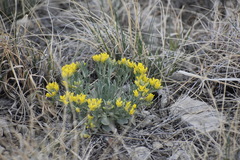
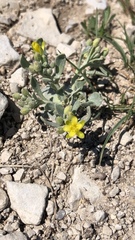
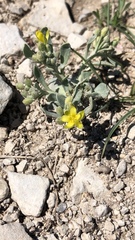
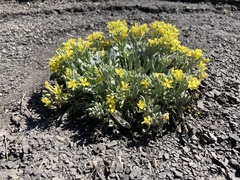
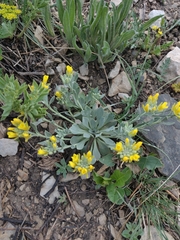
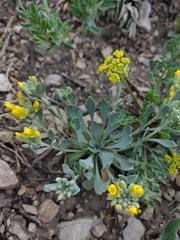
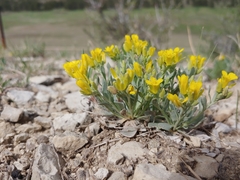
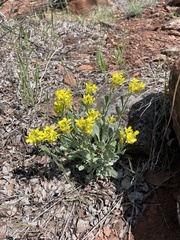
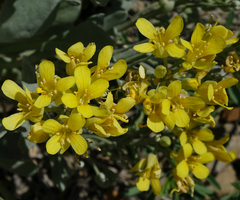
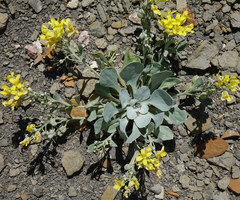
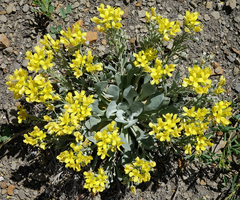
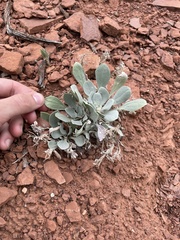
This perennial herb produces decumbent or prostrate stems from a caudex. The plant is covered in hairs, making it silvery. The basal leaves are toothed and the leaves along the stems are smooth on the edges. The inflorescence is a raceme of flowers with yellow petals and yellowish sepals. The fruit is a leathery pod reaching nearly a centimeter in length. Flowering occurs in May and June.
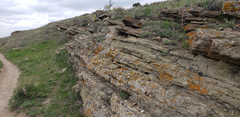
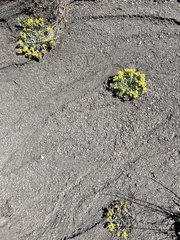
This plant grows on the Front Range in Colorado. It grows on the Niobrara, Pierre, Fountain, Ingleside, and Lykins Formations. The soils are limestone, limestone shale, or red sandstone. The habitat is shrubland dominated by Rhus trilobata and Cercocarpus montanus.
The plant is rare in general but locally abundant. Potential threats to the species include hybridization with Physaria vitulifera, a more widespread plant, limestone mining, road construction and maintenance, and introduced species of plants. The main threat is residential development.
...Physaria bellii in languages:
- English
- Front Range Twinpod
Images from inaturalist.org observations:
We recommend you sign up for this excellent, free service.
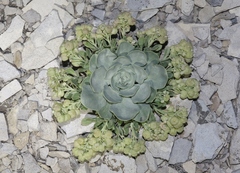
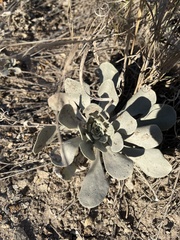
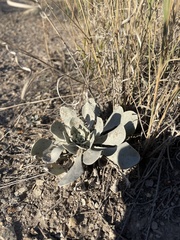
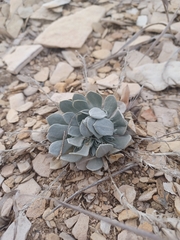
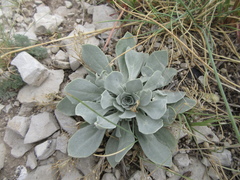
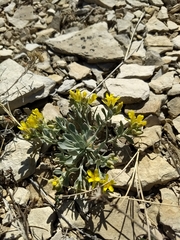
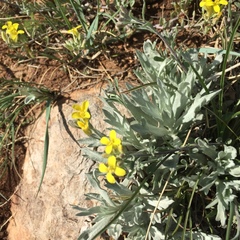
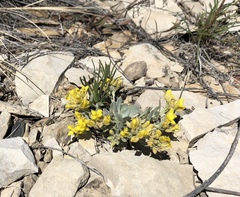
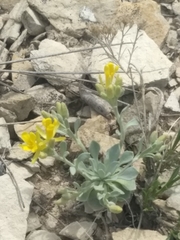
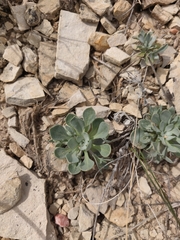
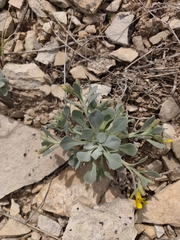
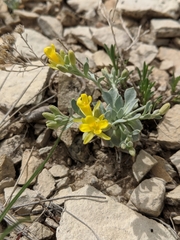
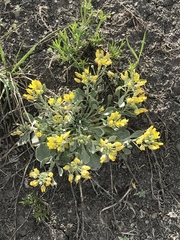
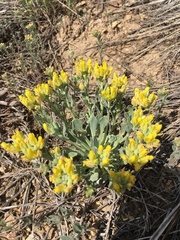
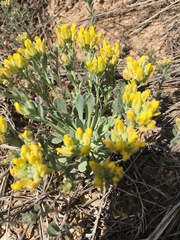
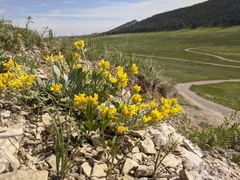
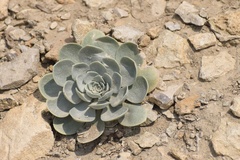
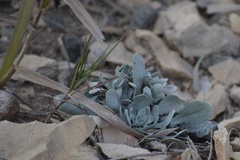
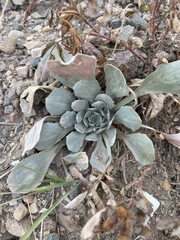
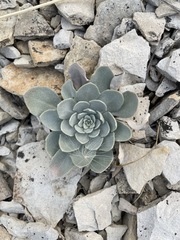
Parent Taxon
Sibling Taxa
- Physaria acutifolia
- Physaria alpestris
- Physaria alpina
- Physaria angustifolia
- Physaria arctica
- Physaria arenosa
- Physaria argentea
- Physaria argyraea
- Physaria arizonica
- Physaria aurea
- Physaria bellii
- Physaria berlandieri
- Physaria brassicoides
- Physaria calcicola
- Physaria calderi
- Physaria carinata
- Physaria chambersii
- Physaria cinerea
- Physaria condensata
- Physaria congesta
- Physaria cordiformis
- Physaria curvipes
- Physaria densiflora
- Physaria didymocarpa
- Physaria dornii
- Physaria douglasii
- Physaria eburniflora
- Physaria engelmannii
- Physaria eriocarpa
- Physaria fendleri
- Physaria filiformis
- Physaria floribunda
- Physaria fremontii
- Physaria garrettii
- Physaria geyeri
- Physaria globosa
- Physaria gooddingii
- Physaria gordonii
- Physaria gracilis
- Physaria grahamii
- Physaria grandiflora
- Physaria hemiphysaria
- Physaria hitchcockii
- Physaria humilis
- Physaria inflata
- Physaria integrifolia
- Physaria intermedia
- Physaria iveyana
- Physaria johnstonii
- Physaria kaibabensis
- Physaria kingii
- Physaria klausii
- Physaria lata
- Physaria lateralis
- Physaria lepidota
- Physaria lesicae
- Physaria lindheimeri
- Physaria ludoviciana
- Physaria macrocarpa
- Physaria mcvaughiana
- Physaria mendocina
- Physaria mexicana
- Physaria mirandiana
- Physaria montana
- Physaria multiceps
- Physaria navajoensis
- Physaria nelsonii
- Physaria newberryi
- Physaria obcordata
- Physaria obdeltata
- Physaria occidentalis
- Physaria oregona
- Physaria ovalifolia
- Physaria pachyphylla
- Physaria pallida
- Physaria palmeri
- Physaria parviflora
- Physaria parvula
- Physaria pendula
- Physaria peninsularis
- Physaria pinetorum
- Physaria prostrata
- Physaria pruinosa
- Physaria pueblensis
- Physaria pulvinata
- Physaria purpurea
- Physaria pycnantha
- Physaria rectipes
- Physaria recurvata
- Physaria reediana
- Physaria rollinsii
- Physaria rosei
- Physaria saximontana
- Physaria schaffneri
- Physaria scrotiformis
- Physaria sessilis
- Physaria sinuosa
- Physaria spatulata
- Physaria subumbellata
- Physaria tenella
- Physaria thamnophila
- Physaria tumulosa
- Physaria urbaniana
- Physaria valida
- Physaria vicina
- Physaria vigana
- Physaria vitulifera
- Physaria wyndii