Salvia rypara: taxon details and analytics
- Domain
- Kingdom
- Plantae
- Phylum
- Tracheophyta
- Class
- Magnoliopsida
- Order
- Lamiales
- Family
- Lamiaceae
- Genus
- Salvia
- Species
- Salvia rypara
- Scientific Name
- Salvia rypara
Summary description from Wikipedia:
Salvia rypara
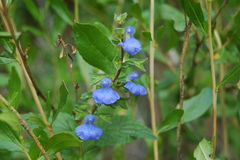
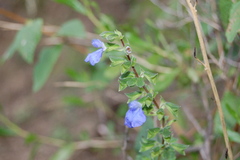
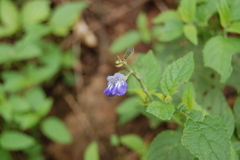
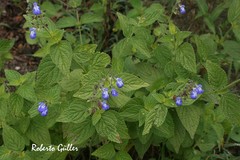
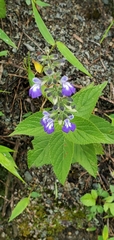
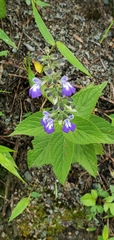
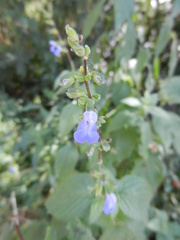
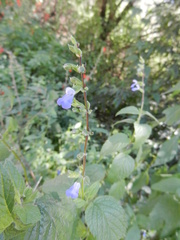
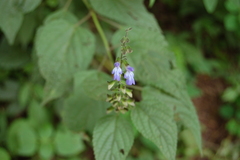
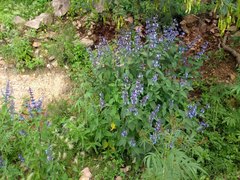
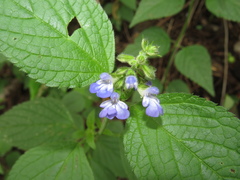
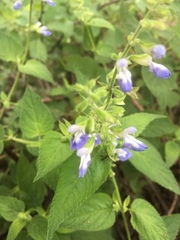
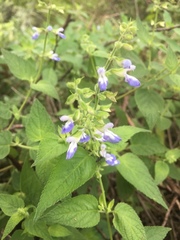
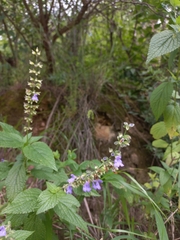
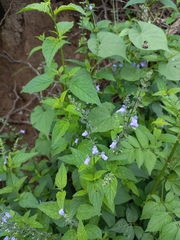
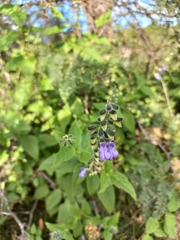
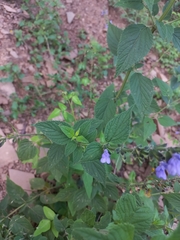
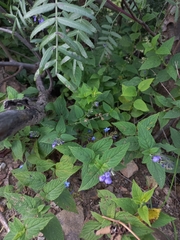
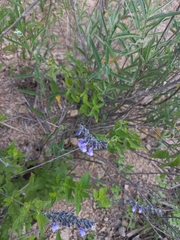
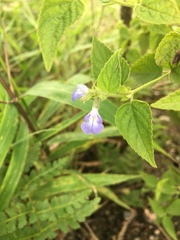
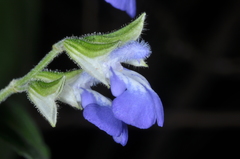
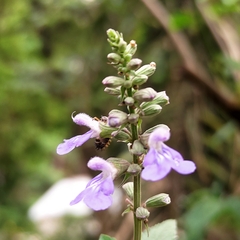
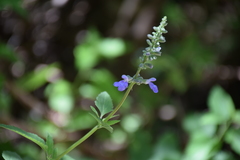
Salvia rypara is a herbaceous perennial native to Argentina and Bolivia—due to its being very adaptable it is reported to be naturalized in Mexico and possibly Central America. It prefers stream bank habitats, as the specific epithet rypara implies. It also grows in weedy thickets, thriving at elevations under 3,000 feet. Described by John Isaac Briquet in 1896, it is not very well known in horticulture, with only a few gardeners growing it since the 1990s. It is becoming more well known in the United States, France, England, and Italy because it is easy to grow and makes a very attractive garden plant.
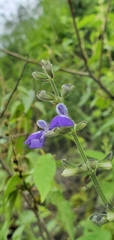
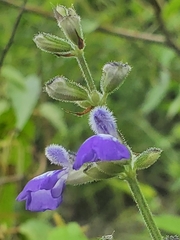
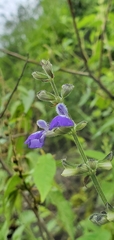
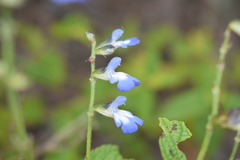
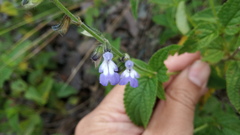
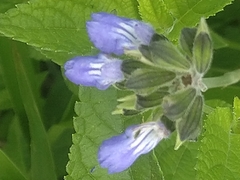
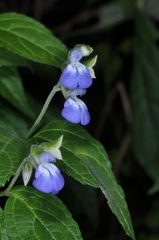
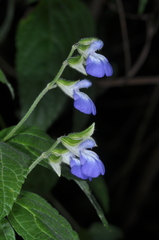
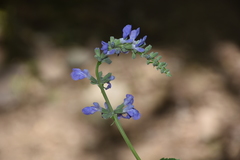
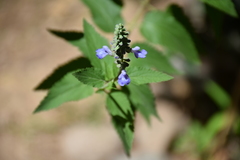
Salvia rypara is a small erect plant that grows to 2 feet tall and wide, with many thin stems. The ovate medium-green leaves cover the plant, and grow up to 2-3 inches long and 1.5–2.5 inches wide. The 6–8 inch inflorescences are long and slender, with spaced whorls of 2–12 flowers each, many of them coming into bloom at once. The flowers are a pale lavender, with a flaring lower lip that is just over .5 inch long, and a short erect upper lip.
...Images from inaturalist.org observations:
We recommend you sign up for this excellent, free service.
Parent Taxon
Sibling Taxa
- Dorystaechas
- Meriandra
- Perovskia
- Rosmarinus
- Salvia absconditiflora
- Salvia acerifolia
- Salvia adenophora
- Salvia adiantifolia
- Salvia adoxoides
- Salvia aegyptiaca
- Salvia aequidistans
- Salvia aerea
- Salvia aethiopis
- Salvia africana
- Salvia africana × albicaulis
- Salvia agnes
- Salvia alamosana
- Salvia alba
- Salvia albicalyx
- Salvia albicaulis
- Salvia albiflora
- Salvia albimaculata
- Salvia albiterrarum
- Salvia albocaerulea
- Salvia alborosea
- Salvia aliciae
- Salvia aliena
- Salvia altimitrata
- Salvia alvajaca
- Salvia amarissima
- Salvia amethystina
- Salvia amissa
- Salvia amplexicaulis
- Salvia amplifrons
- Salvia anastomosans
- Salvia andreji
- Salvia angulata
- Salvia angustiarum
- Salvia apiana
- Salvia apiana × clevelandii
- Salvia apiana × eremostachya
- Salvia apiana × leucophylla
- Salvia apiana × mellifera
- Salvia appendiculata
- Salvia arabica
- Salvia arborescens
- Salvia arenaria
- Salvia areolata
- Salvia argentea
- Salvia arizonica
- Salvia arthrocoma
- Salvia articulata
- Salvia aspera
- Salvia assurgens
- Salvia atrocyanea
- Salvia atropaenulata
- Salvia atropatana
- Salvia atropurpurea
- Salvia atrorubra
- Salvia aucheri
- Salvia aurea
- Salvia aurita
- Salvia austriaca
- Salvia austromelissodora
- Salvia axillaris
- Salvia azurea
- Salvia bahorucona
- Salvia baimaensis
- Salvia ballotiflora
- Salvia ballsiana
- Salvia barrelieri
- Salvia beckeri
- Salvia beltraniorum
- Salvia betulifolia
- Salvia bifidocalyx
- Salvia biserrata
- Salvia blancoana
- Salvia blepharochlaena
- Salvia blepharophylla
- Salvia boegei
- Salvia bogotensis
- Salvia booleana
- Salvia bowleyana
- Salvia brachyantha
- Salvia brachyloba
- Salvia brachyloma
- Salvia brachyodon
- Salvia brachyodonta
- Salvia bracteata
- Salvia brandegeei
- Salvia breviflora
- Salvia brevilabra
- Salvia brevipes
- Salvia broussonetii
- Salvia buchananii
- Salvia bucharica
- Salvia bulleyana
- Salvia bullulata
- Salvia cacaliifolia
- Salvia cacomensis
- Salvia cadmica
- Salvia caeruleobracteata
- Salvia caespitosa
- Salvia calderoniae
- Salvia californica
- Salvia calolophos
- Salvia camarifolia
- Salvia campanulata
- Salvia cana
- Salvia canariensis
- Salvia candelabrum
- Salvia candicans
- Salvia candidissima
- Salvia canescens
- Salvia carbonoi
- Salvia cardiophylla
- Salvia carduacea
- Salvia carnea
- Salvia carranzae
- Salvia carreyesii
- Salvia castanea
- Salvia cataractarum
- Salvia caudata
- Salvia cavaleriei
- Salvia caymanensis
- Salvia cedrosensis
- Salvia ceratophylla
- Salvia cerinopruinosa
- Salvia chalarothyrsa
- Salvia chamaedryoides
- Salvia chamelaeagnea
- Salvia chanryoenica
- Salvia chapalensis
- Salvia chapmanii
- Salvia chazaroana
- Salvia chiapensis
- Salvia chicamochae
- Salvia chienii
- Salvia chinensis
- Salvia chionopeplica
- Salvia chionophylla
- Salvia chudaei
- Salvia chunganensis
- Salvia cilicica
- Salvia cinnabarina
- Salvia clarkcowanii
- Salvia clevelandii
- Salvia clinopodioides
- Salvia coahuilensis
- Salvia coccinea
- Salvia cocuyana
- Salvia codazziana
- Salvia collinsii
- Salvia colonica
- Salvia columbariae
- Salvia comayaguana
- Salvia compacta
- Salvia compressa
- Salvia compsostachys
- Salvia concolor
- Salvia confertiflora
- Salvia confertispicata
- Salvia congestiflora
- Salvia connivens
- Salvia consobrina
- Salvia corrugata
- Salvia costaricensis
- Salvia costata
- Salvia coulteri
- Salvia crucis
- Salvia cryptodonta
- Salvia cualensis
- Salvia cuatrecasana
- Salvia curticalyx
- Salvia curviflora
- Salvia cuspidata
- Salvia cyanantha
- Salvia cyanescens
- Salvia cyanicalyx
- Salvia cyanocephala
- Salvia cyanotropha
- Salvia cyclostegia
- Salvia cynica
- Salvia dabieshanensis
- Salvia darcyi
- Salvia dasyantha
- Salvia decora
- Salvia decumbens
- Salvia densiflora
- Salvia dentata
- Salvia deserta
- Salvia deserti
- Salvia desoleana
- Salvia dichlamys
- Salvia digitaloides
- Salvia discolor
- Salvia disermas
- Salvia disjuncta
- Salvia divinorum
- Salvia dolichantha
- Salvia dolomitica
- Salvia dombeyi
- Salvia dominica
- Salvia dorisiana
- Salvia dorrii
- Salvia dryophila
- Salvia dumetorum
- Salvia durangensis
- Salvia duripes
- Salvia ecuadorensis
- Salvia eichleriana
- Salvia eigii
- Salvia eizi-matudae
- Salvia elegans
- Salvia emaciata
- Salvia engelmannii
- Salvia eremostachya
- Salvia eremostachya × vaseyi
- Salvia erythrostoma
- Salvia evadens
- Salvia evansiana
- Salvia exilis
- Salvia exserta
- Salvia falcata
- Salvia farinacea
- Salvia filicifolia
- Salvia filifolia
- Salvia filipes
- Salvia fimbriaticalyx
- Salvia firma
- Salvia flaccida
- Salvia flaccidifolia
- Salvia flava
- Salvia flocculosa
- Salvia florida
- Salvia fluviatilis
- Salvia formosana
- Salvia forskaehlei
- Salvia foveolata
- Salvia fragarioides
- Salvia frigida
- Salvia fruticosa
- Salvia fruticulosa
- Salvia fulgens
- Salvia funerea
- Salvia fusca
- Salvia fuscomanicata
- Salvia galloana
- Salvia garedji
- Salvia garipensis
- Salvia gattefossei
- Salvia gavilanensis
- Salvia gesneriiflora
- Salvia glabra
- Salvia glabrescens
- Salvia glutinosa
- Salvia goldmanii
- Salvia gomezpompae
- Salvia gonzalezii
- Salvia graciliramulosa
- Salvia grandifolia
- Salvia grandis
- Salvia granitica
- Salvia gravida
- Salvia greatae
- Salvia greggii
- Salvia grewiifolia
- Salvia guacana
- Salvia guadalajarensis
- Salvia guaneorum
- Salvia guaranitica
- Salvia guevarae
- Salvia gypsophila
- Salvia haenkei
- Salvia hamulus
- Salvia handelii
- Salvia hapalophylla
- Salvia hayatae
- Salvia heldreichiana
- Salvia helianthemifolia
- Salvia henryi
- Salvia herbacea
- Salvia herbanica
- Salvia hermesiana
- Salvia heterochroa
- Salvia heterofolia
- Salvia heterotricha
- Salvia hians
- Salvia hidalgensis
- Salvia hierosolymitana
- Salvia himmelbaurii
- Salvia hintonii
- Salvia hirsuta
- Salvia hirta
- Salvia hirtella
- Salvia hispanica
- Salvia holwayi
- Salvia honania
- Salvia huastecana
- Salvia humboldtiana
- Salvia humboltiana
- Salvia hupehensis
- Salvia hydrangea
- Salvia hylocharis
- Salvia hypargeia
- Salvia ibugana
- Salvia indica
- Salvia indigocephala
- Salvia infuscata
- Salvia inornata
- Salvia integrifolia
- Salvia interrupta
- Salvia intonsa
- Salvia involucrata
- Salvia iodantha
- Salvia iodophylla
- Salvia ionocalyx
- Salvia isensis
- Salvia isochroma
- Salvia jacalana
- Salvia jacobi
- Salvia jaimehintoniana
- Salvia jaminiana
- Salvia japonica
- Salvia jaramilloi
- Salvia jessicae
- Salvia judaica
- Salvia jurisicii
- Salvia karwinskii
- Salvia keerlii
- Salvia keitaoensis
- Salvia kellermanii
- Salvia kiangsiensis
- Salvia kiaometiensis
- Salvia koyamae
- Salvia kurdica
- Salvia kuznetzovii
- Salvia lachnaioclada
- Salvia lachnostachys
- Salvia laevis
- Salvia lamiifolia
- Salvia lanceolata
- Salvia langlassei
- Salvia languidula
- Salvia lanicalyx
- Salvia lanicaulis
- Salvia lankongensis
- Salvia lapazana
- Salvia lasiantha
- Salvia lasiocephala
- Salvia lavanduloides
- Salvia lemmonii
- Salvia leptostachys
- Salvia leucantha
- Salvia leucocephala
- Salvia leucochlamys
- Salvia leucodermis
- Salvia leucophylla
- Salvia leucophylla × mellifera
- Salvia libanensis
- Salvia liguliloba
- Salvia lineata
- Salvia littae
- Salvia lobbii
- Salvia longispicata
- Salvia longispicata x farinacea
- Salvia longistyla
- Salvia lophanthoides
- Salvia loxensis
- Salvia lozanoi
- Salvia lutescens
- Salvia lycioides
- Salvia lyrata
- Salvia macellaria
- Salvia macilenta
- Salvia macrochlamys
- Salvia macrophylla
- Salvia macrosiphon
- Salvia macrostachya
- Salvia madrensis
- Salvia madrigalii
- Salvia mairei
- Salvia malvifolia
- Salvia manantlanensis
- Salvia manaurica
- Salvia marci
- Salvia maximowicziana
- Salvia mayorii
- Salvia mazatlanensis
- Salvia mcvaughii
- Salvia medusa
- Salvia meera
- Salvia meiliensis
- Salvia mekongensis
- Salvia melaleuca
- Salvia melissiflora
- Salvia melissodora
- Salvia mellifera
- Salvia membranacea
- Salvia mentiens
- Salvia merjamie
- Salvia mexiae
- Salvia mexicana
- Salvia microphylla
- Salvia microstegia
- Salvia miltiorrhiza
- Salvia minarum
- Salvia miniata
- Salvia mirzayanii
- Salvia misella
- Salvia mocinoi
- Salvia modesta
- Salvia modica
- Salvia mohavensis
- Salvia monantha
- Salvia montbretii
- Salvia montecristina
- Salvia moorcroftiana
- Salvia moranii
- Salvia mouretii
- Salvia muelleri
- Salvia muirii
- Salvia multicaulis
- Salvia munzii
- Salvia muscarioides
- Salvia namaensis
- Salvia nana
- Salvia nanchuanensis
- Salvia napifolia
- Salvia nemorosa
- Salvia nervata
- Salvia nervosa
- Salvia nilotica
- Salvia nipponica
- Salvia nitida
- Salvia nubicola
- Salvia nubigena
- Salvia nutans
- Salvia oaxacana
- Salvia oblongifolia
- Salvia obtusata
- Salvia occidentalis
- Salvia occidua
- Salvia ochrantha
- Salvia odam
- Salvia officinalis
- Salvia ombrophila
- Salvia omeiana
- Salvia omissa
- Salvia oppositiflora
- Salvia orbignaei
- Salvia oreopola
- Salvia oresbia
- Salvia orthostachys
- Salvia ovalifolia
- Salvia oxyphora
- Salvia ozolotepecensis
- Salvia pachyphylla
- Salvia palaestina
- Salvia palealis
- Salvia palifolia
- Salvia pallida
- Salvia palmeri
- Salvia palmetorum
- Salvia pamplonitana
- Salvia pannosa
- Salvia paohsingensis
- Salvia paposana
- Salvia paramicola
- Salvia paramiltiorrhiza
- Salvia parryi
- Salvia paryskii
- Salvia patens
- Salvia pauciserrata
- Salvia paupercula
- Salvia pavonii
- Salvia peninsularis
- Salvia pennellii
- Salvia pentstemonoides
- Salvia peregrina
- Salvia pericona
- Salvia perplicata
- Salvia personata
- Salvia pexa
- Salvia phlomoides
- Salvia piasezkii
- Salvia pichinchensis
- Salvia pineticola
- Salvia pinguifolia
- Salvia pinnata
- Salvia pisidica
- Salvia platycheila
- Salvia platyphylla
- Salvia plebeia
- Salvia plectranthoides
- Salvia plurispicata
- Salvia poculata
- Salvia podadena
- Salvia pogonochila
- Salvia polystachia
- Salvia pomifera
- Salvia potaninii
- Salvia potus
- Salvia praestans
- Salvia praeterita
- Salvia pratensis
- Salvia prattii
- Salvia pringlei
- Salvia procurrens
- Salvia prostrata
- Salvia protracta
- Salvia pruinosa
- Salvia prunelloides
- Salvia prunifolia
- Salvia przewalskii
- Salvia pseudoincisa
- Salvia pseudomisella
- Salvia pseudopallida
- Salvia psilostachya
- Salvia pterocalyx
- Salvia pteroura
- Salvia puberula
- Salvia pubescens
- Salvia pugana
- Salvia pulchella
- Salvia punctata
- Salvia punicans
- Salvia purepecha
- Salvia purpurea
- Salvia purpusii
- Salvia pusilla
- Salvia pygmaea
- Salvia qimenensis
- Salvia quercetorum
- Salvia quitensis
- Salvia radula
- Salvia ramamoorthyana
- Salvia ramirezii
- Salvia ramosa
- Salvia raveniana
- Salvia raymondii
- Salvia recognita
- Salvia recurva
- Salvia reflexa
- Salvia reginae
- Salvia regla
- Salvia remota
- Salvia repens
- Salvia reptans
- Salvia retinervia
- Salvia reuteriana
- Salvia rhizomatosa
- Salvia rhodostephana
- Salvia rhombifolia
- Salvia richardsonii
- Salvia ringens
- Salvia rivularis
- Salvia robertoana
- Salvia roborowskii
- Salvia roemeriana
- Salvia rogersiana
- Salvia roscida
- Salvia rosei
- Salvia rosifolia
- Salvia rostellata
- Salvia rubescens
- Salvia rubifolia
- Salvia rubriflora
- Salvia rubropunctata
- Salvia rufula
- Salvia runcinata
- Salvia rusbyi
- Salvia russellii
- Salvia rypara
- Salvia rzedowskii
- Salvia saccifera
- Salvia sacculus
- Salvia sagittata
- Salvia samuelssonii
- Salvia sanctae-luciae
- Salvia santanae
- Salvia santolinifolia
- Salvia sarmentosa
- Salvia scabiosifolia
- Salvia scabra
- Salvia scabrida
- Salvia scapiformis
- Salvia scaposa
- Salvia schaffneri
- Salvia schimperi
- Salvia schizocalyx
- Salvia schizochila
- Salvia schlechteri
- Salvia schmalhausenii
- Salvia sciaphila
- Salvia sclarea
- Salvia sclareoides
- Salvia scrophulariifolia
- Salvia scutellarioides
- Salvia seemannii
- Salvia selleana
- Salvia sellowiana
- Salvia semiatrata
- Salvia semiscaposa
- Salvia serboana
- Salvia serotina
- Salvia serpyllifolia
- Salvia sessei
- Salvia sessilifolia
- Salvia setulosa
- Salvia shannonii
- Salvia sharpii
- Salvia sigchosica
- Salvia similis
- Salvia simulans
- Salvia sinaloensis
- Salvia sinica
- Salvia smithii
- Salvia sonchifolia
- Salvia sonklarii
- Salvia sonomensis
- Salvia sophrona
- Salvia sordida
- Salvia spathacea
- Salvia spellenbergii
- Salvia sphacelifolia
- Salvia spinosa
- Salvia splendens
- Salvia sprucei
- Salvia squalens
- Salvia stachydifolia
- Salvia stachyoides
- Salvia staminea
- Salvia stenophylla
- Salvia stolonifera
- Salvia striata
- Salvia styphelus
- Salvia subaequalis
- Salvia subincisa
- Salvia submutica
- Salvia subobscura
- Salvia subpalmatinervis
- Salvia subpatens
- Salvia subrotunda
- Salvia substolonifera
- Salvia sucrensis
- Salvia suffruticosa
- Salvia summa
- Salvia superba
- Salvia synodonta
- Salvia syriaca
- Salvia taraxacifolia
- Salvia tashiroi
- Salvia tchihatcheffii
- Salvia teddii
- Salvia tehuacana
- Salvia tenorioi
- Salvia tepicensis
- Salvia teresae
- Salvia tetramerioides
- Salvia texana
- Salvia textitlana
- Salvia thermarum
- Salvia thomasiana
- Salvia thormannii
- Salvia thymoides
- Salvia thyrsiflora
- Salvia tilantongensis
- Salvia tiliifolia
- Salvia tolimensis
- Salvia tomentella
- Salvia tomentosa
- Salvia tonalensis
- Salvia tonaticensis
- Salvia topiensis
- Salvia tortuosa
- Salvia townsendii
- Salvia trachyphylla
- Salvia transsylvanica
- Salvia trautvetteri
- Salvia triangularis
- Salvia trichoclada
- Salvia trichostephana
- Salvia tricuspidata
- Salvia trifilis
- Salvia trijuga
- Salvia tubifera
- Salvia tubiflora
- Salvia tuerckheimii
- Salvia turneri
- Salvia tysonii
- Salvia uliginosa
- Salvia umbratica
- Salvia unguella
- Salvia unicostata
- Salvia univerticillata
- Salvia uribei
- Salvia urica
- Salvia urolepis
- Salvia urticifolia
- Salvia uruapana
- Salvia valentina
- Salvia vargasllosae
- Salvia variana
- Salvia vaseyi
- Salvia vasta
- Salvia vazquezii
- Salvia veneris
- Salvia venturana
- Salvia venulosa
- Salvia verbascifolia
- Salvia verbenaca
- Salvia verecunda
- Salvia veronicifolia
- Salvia verticillata
- Salvia villosa
- Salvia vinacea
- Salvia virgata
- Salvia viridis
- Salvia viscosa
- Salvia vitifolia
- Salvia wagneriana
- Salvia wardii
- Salvia whitefoordiae
- Salvia whitehousei
- Salvia wiedemannii
- Salvia willeana
- Salvia xalapensis
- Salvia xeropapillosa
- Salvia xolocotzii
- Salvia yosgadensis
- Salvia yukoyukparum
- Salvia yunnanensis
- Salvia zacualpanensis
- Salvia zamoranensis
- Salvia zaragozana
- Salvia × atroviolacea
- Salvia × bernardina
- Salvia × jamensis
- Salvia × lavandulacea
- Salvia × nariniensis
- Salvia × rociana
- Salvia × sylvestris
- Salvia × tunica-mariae
- Zhumeria